



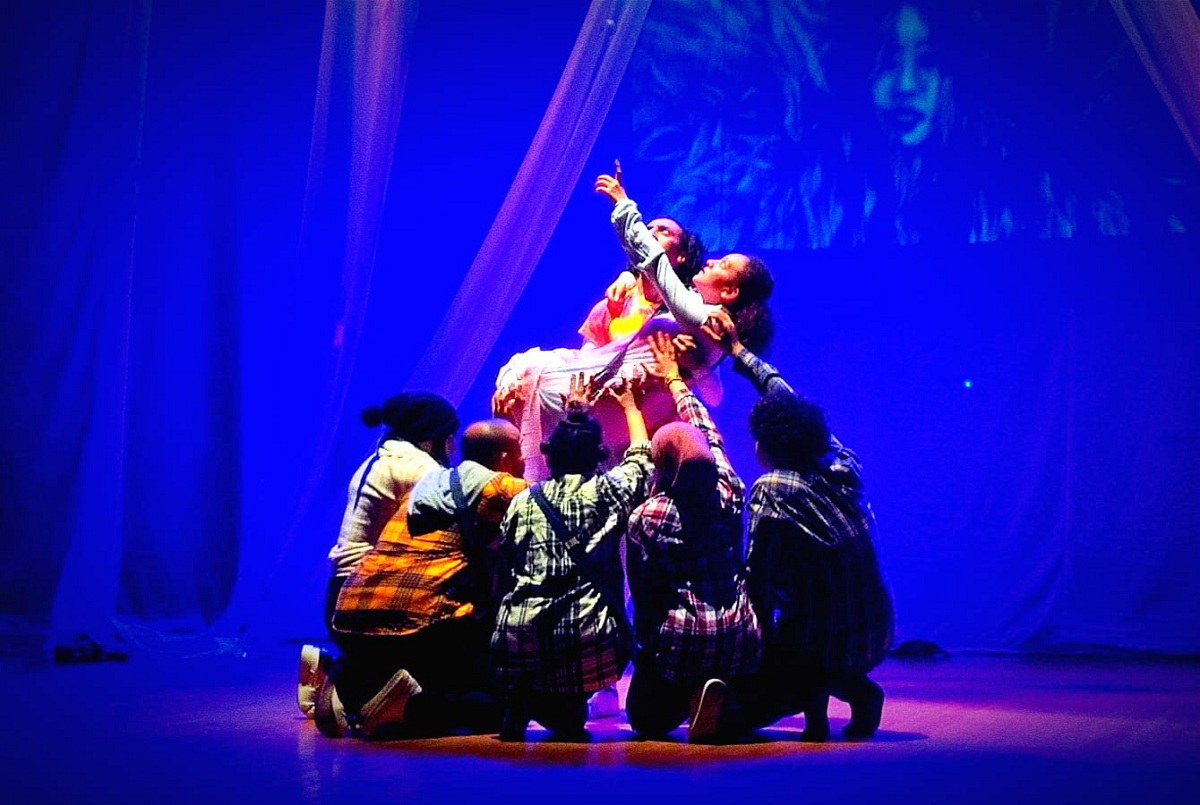
In Asyut, theatre remains a powerful mirror of society. But bureaucratic delays, crumbling infrastructure, and weak promotion threaten its survival. Local artists and directors speak out about what it takes to keep the show going.
Theater in Asyut Governorate remains a space where social issues are examined and the pulse of the street is reflected on stage. But it faces significant challenges: the absence of clear planning, weak promotion, and the resulting impact on audience turnout. Administrative and production hurdles also affect the regularity and quality of performances.
Theater: The Father of the Arts
Renowned theater director Ahmed El-Sherif describes theater as “the father of the arts.” On its stage, a blended array of performing arts, writing, sculpture, visual art, music, and dance come together to offer a rich experience of ideas wrapped in visual and auditory beauty. The goal is to deliver a message to the audience.
He emphasises that Egypt’s regions, particularly in Upper Egypt, suffer from a lack of major theaters, studios, and other forms of entertainment. This gives regional theatre added importance.
El-Sherif added that the Ministry of Culture has taken on the task of supporting regional theater through the network of Culture Palaces across the country, especially in Upper Egypt. Theater troupes have been established in major district centers, numbering between three and nine per governorate, performing for audiences in villages and hamlets.
Documentary photos and videos show significant audience attendance, sometimes reaching between 400 and 3,000 spectators daily over seven to ten days of performances. This reflects the enduring power of theater to draw crowds.
A Factory for Talent
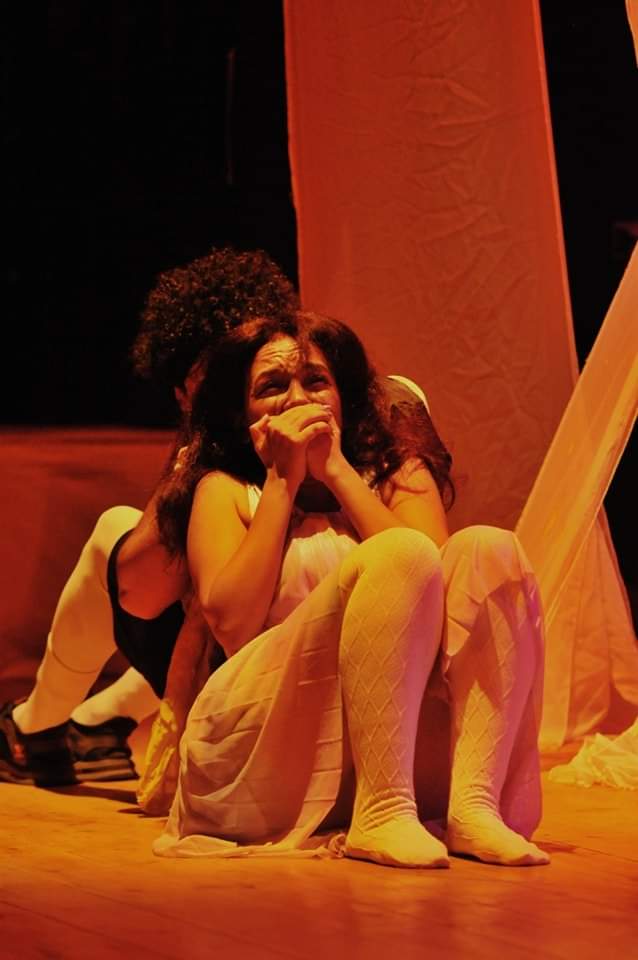
El-Sherif explained that these troupes have nurtured talent from villages and hamlets, including writers, poets, set designers, actors, directors, dancers, singers, and composers. The Culture Palaces have organized numerous workshops to refine these skills, fostering ambitions among young people to pursue professional careers.
This experience has produced prominent figures such as Ehab Mahfouz, Abdullah Saad, Emad Saber, Mustafa Emad, and others who have gone on to join specialized theater institutes.
El-Sherif directed a plea to officials, calling for theater to be rescued from complex administrative procedures and delayed production budgets. “Bureaucracy kills creativity,” he said. He noted that Asyut’s theaters need urgent maintenance and suffer from a lack of promotion due to budget cuts. “What is the point of producing a theatrical performance without any publicity or even a poster?” he asked.
The Current State of Theater in Asyut
Amr Hamza, an actor and theater director, said that while the situation of theater in Asyut might be better than in some other governorates, it is still below the desired level due to repetition and monotony in certain elements. He added that the current problem is not on the artistic side but rather administrative and financial complexity, including delayed budget disbursements. This leads to performances taking place at the wrong times and for limited audiences. Sometimes productions are rushed without attention to quality of execution.
Hamza emphasized the importance of theater workshops in discovering talent, citing the example of actor Mustafa Emad, one of the stars of the series “Sayyid Al-Nas.” Emad started at the Asyut theater before joining the National Institute of Theatrical Arts. He also confirmed that there are dozens of distinguished actors and directors who graduated from Asyut theater and have a strong presence on Egyptian stages, whether in children’s or adult theater, even if they have not appeared on television screens.
Among these names, he listed Emad Saber, Ehab Mahfouz, Madouna Hani, Abdullah Saad, Amira Hosni, and others who continue their artistic careers. Some are even pursuing postgraduate studies at the Institute of Theatrical Arts.
A Call to Organize Theatrical Work
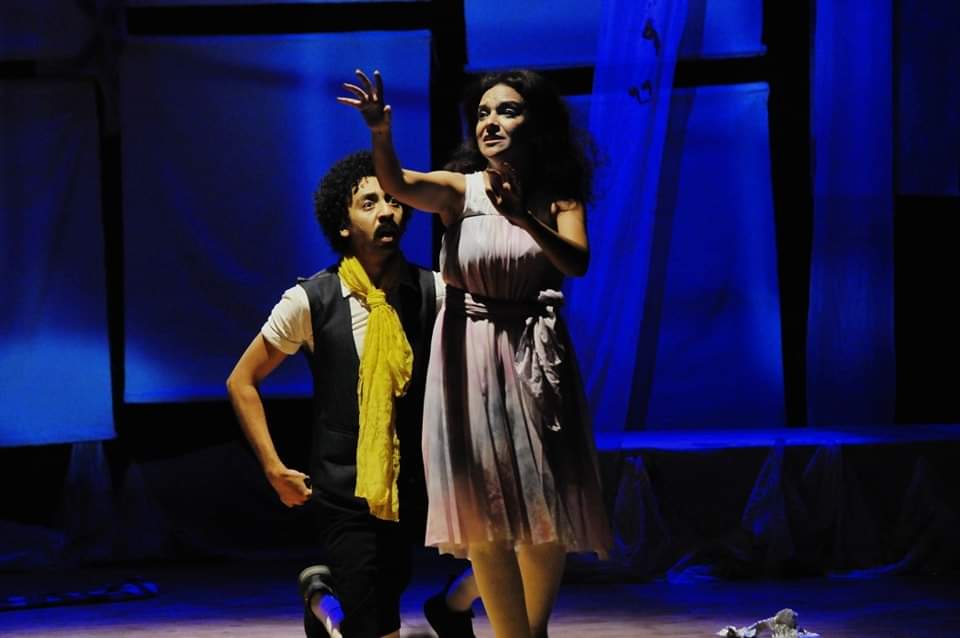
Hamza called for a clear plan to organize theatrical work, including rehearsal and performance schedules, alongside developing promotional mechanisms to attract audiences. He noted that there is sometimes a disconnect between audience availability and the presence of performances, or vice versa. This requires serious study.
He added that Asyut’s theater has produced dozens of artists, directors, and assistant directors who play important roles in the theater movement. He stressed the need to support this sector. He also directed a message to the public to attend theatrical performances, because theater is incomplete without its audience.
Theater as a Mirror of the Mind
Damiana Samir Abdo, an actress from Asyut, explained that theater plays a powerful role in raising awareness due to its ability to attract audiences of all ages. She said she began her journey at the Culture Palaces in 2018. She has participated in international works such as “Hamlet,” alongside other productions with different intellectual and comedic visions. She affirmed that the importance of theater lies in its ability to deliver a message whose interpretation varies from one viewer to another based on their perception.
She said that a single line in a theatrical performance can leave a deep impact on the audience. She pointed to her experience directing children’s performances, which received great engagement. Audiences still remember the songs and details to this day.
She emphasised that the theatre is a mirror in which people see themselves and their lives, prompting them to rethink their decisions. She appealed to officials to pay attention to theater, given the artistic and administrative neglect it suffers. She also noted that theater audiences are often limited to friends and those already interested. In contrast, the art form needs to reach broader segments of society. This requires a strong and effective promotion of theatrical performances within the Culture Palaces.
