


Close Menu
Babmsr.Babmsr.
  • Home
  • Upper Egypt
  • Lower Egypt
  • Greater Cairo
  • Analysis
  •  Videos
  • About
    • Contact US
    • Editorial Policies
    • Anti-Harassment Policy
    • Advertising Policies

Subscribe to Updates

Get the latest creative news from FooBar about art, design and business.

What's Hot

The Woven Skeleton: The Palm Frond Artisans of Kafr Al-Battikh Fend Off a Plastic Tide

May 14, 2026

The Tragedy of Azbakia and Imam Al-Shafi’i: How Architecture Rewrites Our History

May 14, 2026

The Sanctuary of Saint Bishoy: A Living Ledger of Egyptian Monasticism

May 13, 2026
Facebook X (Twitter) Instagram
Facebook X (Twitter) Instagram YouTube LinkedIn
Babmsr.Babmsr.
Contact US
  • Home
  • Upper Egypt
  • Lower Egypt
  • Greater Cairo
  • Analysis
  •  Videos
  • About
    • Contact US
    • Editorial Policies
    • Anti-Harassment Policy
    • Advertising Policies
Babmsr.Babmsr.
Home»Upper Egypt»The Egyptian Jilbab: From Pharaohs to Fashion, A 5,000-Year Style Legacy
Upper Egypt

The Egyptian Jilbab: From Pharaohs to Fashion, A 5,000-Year Style Legacy

Heba MoawadBy Heba MoawadNovember 9, 2025No Comments1 Min Read0 Views
Facebook Twitter Pinterest LinkedIn Tumblr Email
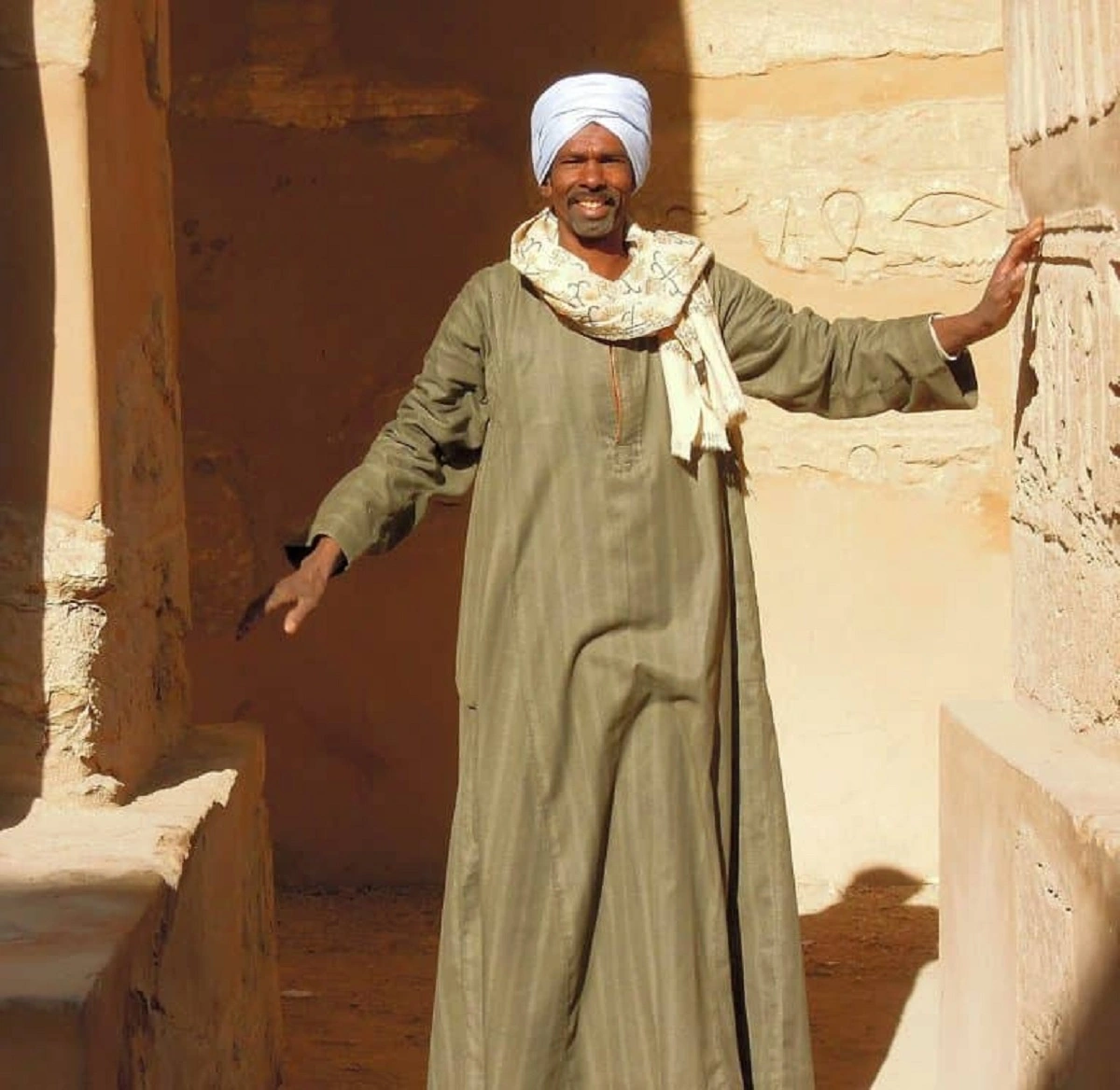
The Egyptian Jilbab creative commons
Share
Facebook Twitter LinkedIn Pinterest WhatsApp Email

From the very dawn of Egyptian civilisation, as people forged a new relationship with their environment, the long linen garment emerged as a cornerstone of their identity. More than mere clothing, this fabric was a testament to their ingenuity. The Egyptians mastered the cultivation of flax, weaving its fibers into lightweight linen perfect for the climate,a tangible symbol of their advanced agricultural knowledge.

At the heart of this ancient wardrobe was the izar or shandit, a graceful wrap worn around the body. Its design was a marvel of both form and function, allowing for freedom of movement while simultaneously embodying the culture’s core values. The precise drape of the garment reflected a deep social discipline and a profound respect for the cosmic order that governed the Egyptian worldview.

Share. Facebook Twitter Pinterest LinkedIn Tumblr Email
Previous ArticleJoyce Mansour… The Tuberose Baby Girl
Next Article The house of ghosts in Al-Qusair: The story of Sheikh Tawfiq’s enduring legacy
Heba Moawad

Related Posts

The Sanctuary of Saint Bishoy: A Living Ledger of Egyptian Monasticism

May 13, 2026

Shadows Over the Nile: Concrete Construction Spark Criticism Beneath the Temple of Kalabsha

May 13, 2026

The Last Cobblers of Luxor: A Craft Contesting the Modern Tide

May 10, 2026

Comments are closed.

Demo
Latest Posts

The Woven Skeleton: The Palm Frond Artisans of Kafr Al-Battikh Fend Off a Plastic Tide

May 14, 20264 Views

The Tragedy of Azbakia and Imam Al-Shafi’i: How Architecture Rewrites Our History

May 14, 20266 Views

The Sanctuary of Saint Bishoy: A Living Ledger of Egyptian Monasticism

May 13, 20266 Views

Shadows Over the Nile: Concrete Construction Spark Criticism Beneath the Temple of Kalabsha

May 13, 20267 Views
Stay In Touch
  • Facebook
  • Twitter
  • Pinterest
  • Instagram
  • YouTube
  • Vimeo
Don't Miss

Shadows Over the Nile: Concrete Construction Spark Criticism Beneath the Temple of Kalabsha

By Bab MasrMay 13, 2026

A controversy erupts in Aswan as new concrete structures at the Temple of Kalabsha spark…

The Tragedy of Azbakia and Imam Al-Shafi’i: How Architecture Rewrites Our History

May 14, 2026

The Sanctuary of Saint Bishoy: A Living Ledger of Egyptian Monasticism

May 13, 2026

Subscribe to Updates

Get the latest creative news from SmartMag about art & design.

Demo
– Bab Masr is the first journalistic platform in the Arab region dedicated to the preservation of Egypt’s local tangible and intangible heritage.

– Bab Masr covers events and activities related to heritage, culture, and the arts through objective stories and reports that convey the full picture.

– Bab Masr opens channels of partnership, cooperation, and networking among all local, regional, and international stakeholders concerned with heritage preservation.

© Copyright 2026, All Rights Reserved | Moussa Adel