



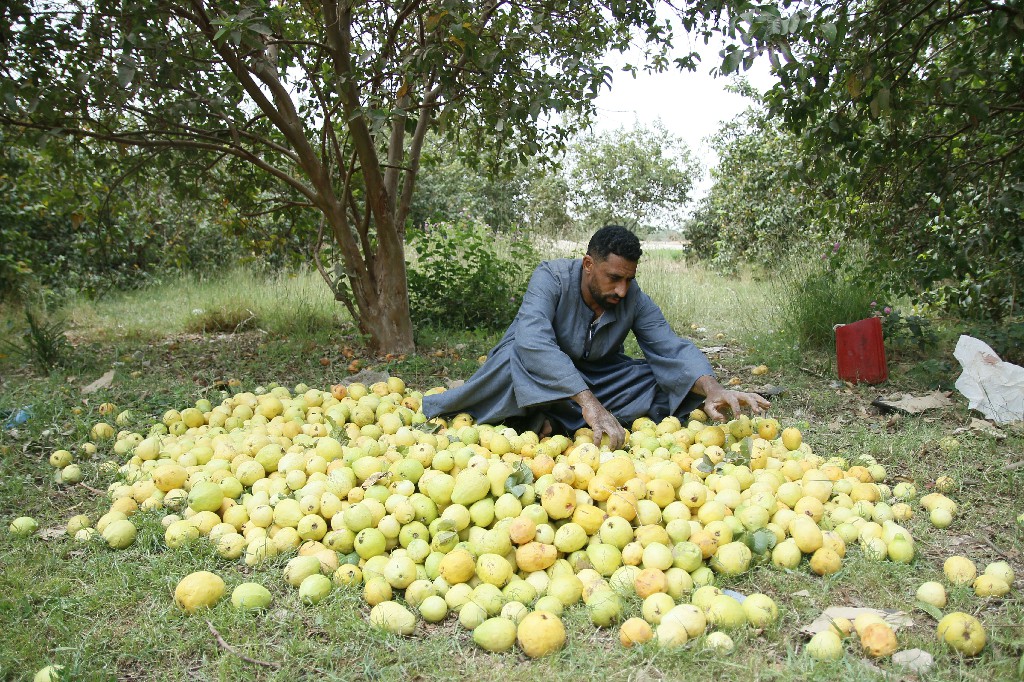
In the sun-drenched orchards of Luxor, a timeless agricultural ritual unfolds. Discover the art of Al-Taswim, where Upper Egyptian farmers use ancient fasting techniques to coax a winter harvest of Guafa Baladi—a local guava prized for its honeyed sweetness and medicinal purity. Explore a story of heritage, resilience, and the delicate balance between the land and the market.
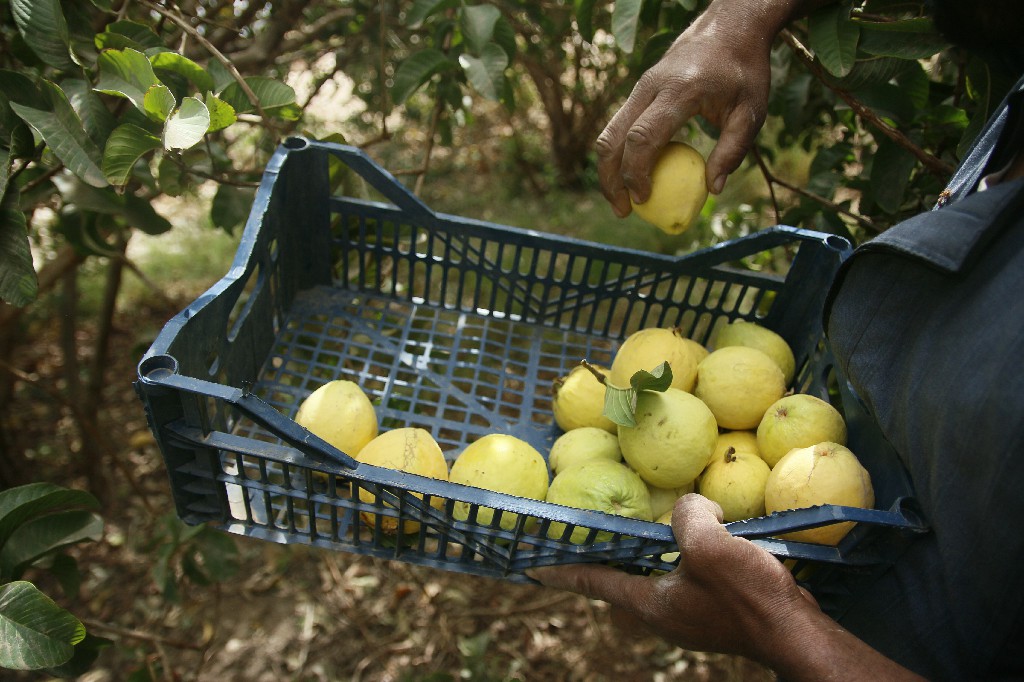
In the quiet enclave of Nagaa Abu al-Hamd, nestled within the village of al-Baghdadi on Luxor’s eastern bank, Amer Abdel-Radi moves through the groves with a practiced, rhythmic grace. Alongside his sons, he gathers the ripening guava, plucking the heavy fruit from branches where they have reached their zenith. Though he holds no formal degree in agricultural science, the decades have distilled a profound wisdom within him. This seasoned expertise has transformed his orchard into a sanctuary of quality, making him the primary destination for fruit merchants from across the governorate.
From Seedling to Abundance: A Calculated Journey
“This profession relies on a delicate harmony of innate intuition and rigorous agricultural discipline,” says Amer, who has spent over fifteen years tending to his guava trees. He notes that the success of a harvest begins with an unwavering commitment to the chronological heartbeat of the land.
“The cultivation of Guafa Baladi (local heirloom guava) in Luxor follows a strict temporal map,” he continues. “November is the hallowed window for planting the shatla (seedlings), taking full advantage of the temperate climate. This mildness allows the roots to anchor themselves deeply and develop with vigor.”
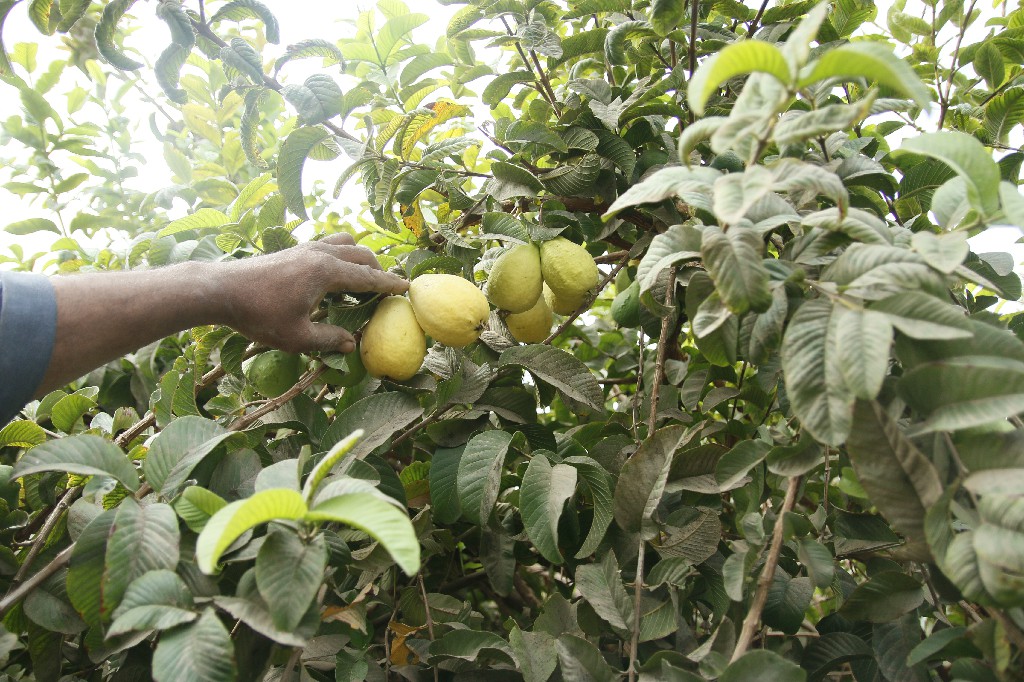
Amer explains that the guava tree is defined by its rapid generosity. It begins to offer its first fruits after a single year, though true economic viability is not realized until the second year. It is then that the tree reaches a stage of commercial maturity, capable of sustaining its own costs and yielding a dignified margin of profit.
‘Al-Taswim’: The Crucial Art of the Fast
Among the most distinctive agricultural rituals in Upper Egypt is the practice of Al-Taswim (the fasting). This technique involves a deliberate cessation of irrigation, a period of drought that traditionally commences on May 14th of each year.
Amer clarifies that the duration of this fast fluctuates based on the tree’s age and vitality. For the ancient, towering trees, the fast may endure for three months, while younger saplings require between 40 and 60 days. He emphasizes that the intent is never to wither the plant, but rather to provoke it, awakening a new productive cycle. This method skillfully directs the fruiting toward the winter months—specifically January, February, and March—the season when the Guafa Baladi achieves its peak sweetness and most refined texture.
The ‘Fiteer’ Phase: A Gradual Return to Life
Once the fast concludes, the stage of Al-Fiteer (the breaking of the fast) begins. This involves the gradual reintroduction of water in meticulously measured quantities. Amer warns against any excess during this delicate transition, as the shock of sudden hydration can wound the tree and diminish its output.
This phase also demands a regimen of fertilization to replenish the soil’s depleted nutrients. By November, a preventative program is enacted, utilizing specific treatments to shield the groves from the “guava worm,” a formidable threat to the harvest’s integrity.
For Amer, the yield is not measured by volume alone, but by the devotion of the care provided. He maintains that adherence to the sacred timings of irrigation, fertilization, and fasting is the decisive factor in a successful harvest. Prices currently fluctuate between 10 and 30 Egyptian pounds per kilogram, dictated by the elegance of the fruit and the shifting tides of market demand. The harvest finds its way to local hubs like Esna, Al-Hubayl, and Luxor City, as well as to merchants who negotiate directly beneath the shade of the trees.
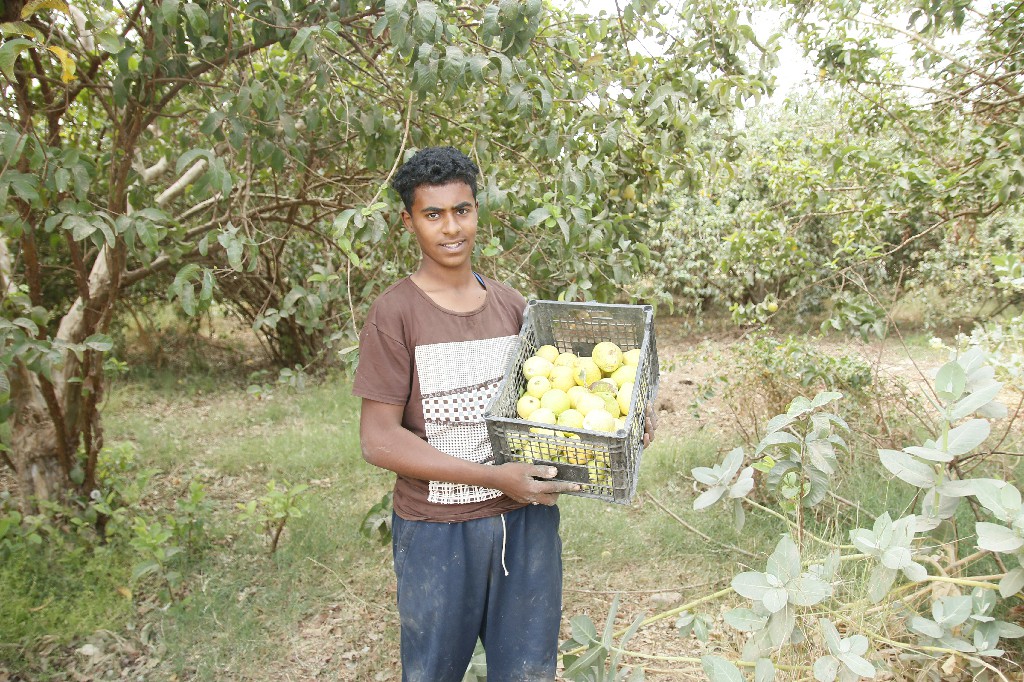
Guafa Baladi: The Purity of Nature
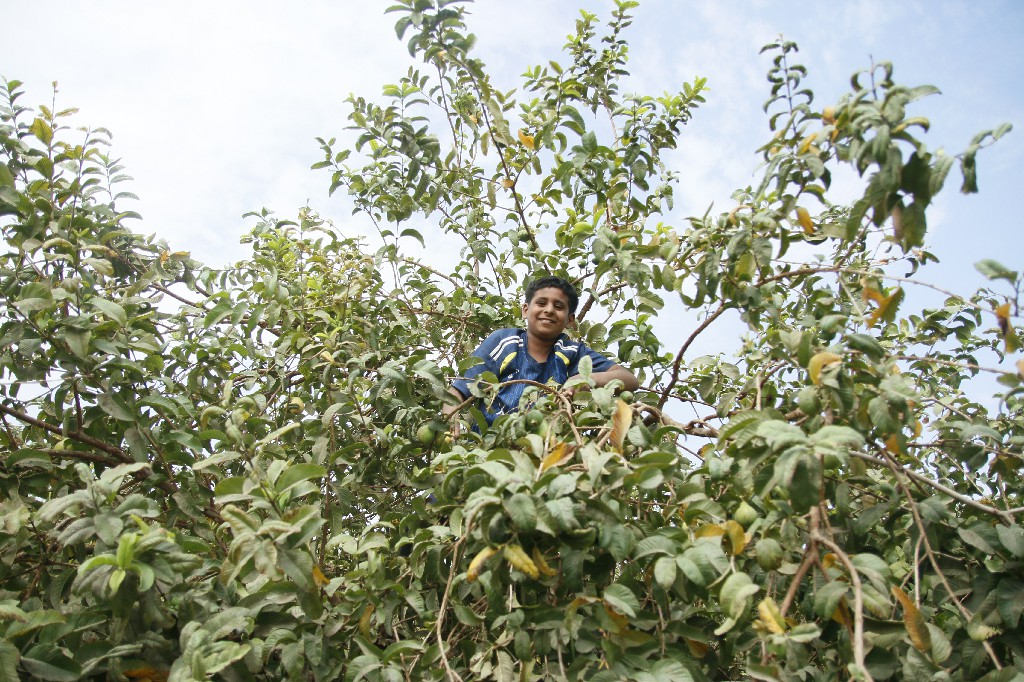
Despite the influx of modern varieties, the Guafa Baladi of Upper Egypt remains the most coveted prize in the marketplace. Its allure lies in its reliance on natural cultivation methods that eschew heavy chemicals, resulting in a distinct flavor profile and high nutritional value.
Gaber Ahmed Gaber, a specialist in food sciences, points out that the guava is a titan of public health. It possesses concentrations of Vitamin C that far outstrip those found in oranges, fortifying the immune system. Its richness in fiber aids digestion, while its potassium and antioxidant content help regulate blood sugar and pressure. Even the leaves are woven into folk medicine, brewed into a tea to soothe persistent coughs and quiet the respiratory system.
A Harvest Between Heritage and Economy
Engineer Ali Qenawy, head of the Farmers’ Syndicate in Luxor, observes that the cultivation of local guava is flourishing, particularly in the villages of Qamula on the western bank. It has proven its superiority over other varieties in both resilience and quality.
Qenawy explains that the acreage dedicated to guava is expanding steadily, driven by low overhead costs and high economic returns. One of its most remarkable attributes is its stoicism in the face of climatic shifts; it remains largely unperturbed by the environmental volatility of the modern era. The fruit has also undergone a notable evolution in its aesthetic, size, and depth of flavor.
Regarding the current market, Qenawy notes a significant price correction this season. The price per kilogram has settled near 10 pounds, a sharp decline from previous highs of 40 pounds. He attributes this shift to a cooling of the export market, particularly to the Gulf states, as regional tensions cast a shadow over international trade routes.
